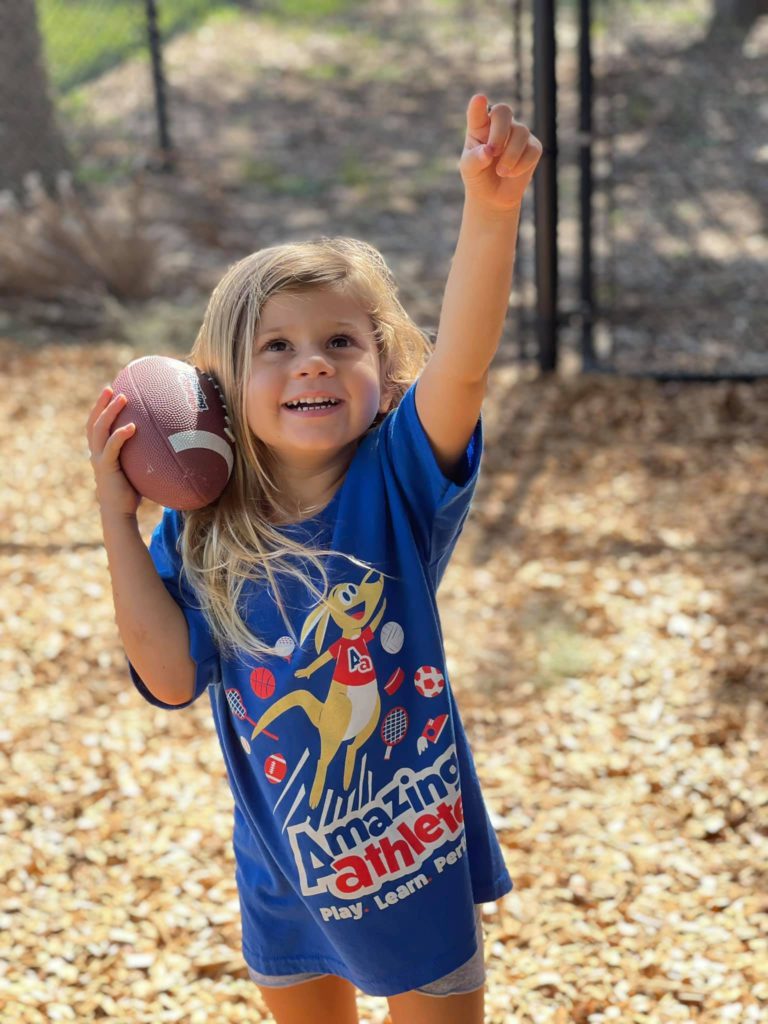
Why Preschoolers Should Try Multiple Sports Before Choosing a Favorite
One week, a preschooler wants to kick a soccer ball. A few days later, basketball looks more fun. By the weekend, running around an obstacle course might be the favorite activity. Sound familiar? Young children change interests quickly, and that’s perfectly normal.
Parents sometimes feel pressure to find the right sport early. Maybe a friend’s child has already joined a soccer league or a preschool teacher has suggested more physical activities. But a three- or four-year-old doesn’t need to settle on one sport just yet. Trying different activities gives children time to discover what they enjoy while learning how to move, and play with others.
The benefits of multi-sport programs for kids go beyond learning how to kick, throw, or catch a ball. Children get chances to practice coordination also listen to instructions, and take turns. And there’s no need to turn every game into a competition.
Benefits of Multi-Sport Programs for Kids
Multi-sport programs give preschoolers a chance to explore different activities without the pressure of choosing one favorite sport. Each activity introduces new movements and challenges, helping children learn through play.
Here are some key benefits:
- Better movement skills: Running, jumping, throwing, and kicking help children practice coordination and balance.
- Growing confidence: Trying unfamiliar activities gives children opportunities to learn from mistakes and celebrate small successes.
- Early teamwork skills: Group games encourage taking turns, listening, sharing equipment, and following simple rules.
- Discovering interests: A child who doesn’t enjoy soccer might prefer basketball, tennis, or obstacle courses.
- Enjoying physical activity: Play-based sessions help children associate movement with fun rather than pressure to win.
How Different Sports Help Build Motor Skills
Watch a preschooler try to catch a ball. Sometimes the hands close too early, or the ball rolls right past. After a few more attempts, the child might get closer. That’s how learning often works at this age.
Different sports give children opportunities to practice running, jumping, balancing, throwing and kicking. Soccer helps with kicking and changing direction, while basketball introduces bouncing and aiming. Baseball encourages throwing, and tracking a moving ball. Tennis helps develop hand-eye coordination and track and field offers plenty of running and jumping practice.
The benefits of multi-sport programs for kids include practicing similar movements through different activities. Parents can reinforce these skills at home by rolling a soft ball, tossing beanbags into a basket or setting up a simple jumping course. Even five minutes of playful practice can help.
Can Trying Different Sports Help a Child Feel More Confident?
Some children jump straight into a group game. Others hang back and watch for a while. Neither response means a child is good or bad at sports.
Confidence often grows after a child manages something that once felt difficult. Maybe the ball finally reaches the target. Maybe a child joins a group game after watching from the sidelines for two weeks. Small wins count.
At Amazing Athletes Huron Valley, children are introduced to different sports in a fun, non-competitive setting. The emphasis is on participation and learning, rather than comparing one child with another.
Parents can help by noticing effort. Saying “You kept trying even when the ball rolled away” is more useful than expecting a child to get every throw right. Children need room to make mistakes. Otherwise, a new activity can start feeling like a test.
It’s also worth remembering that confidence may look different from one child to the next. For one preschooler, progress might mean joining a group. For another, it might mean trying a new sport without asking to leave after the first few minutes.
What Can Preschoolers Learn About Teamwork?
A simple game can reveal quite a lot. Picture a group of four-year-olds passing a ball around a circle. One child holds on a little too long. Another forgets to pass. Someone else gets distracted halfway through the activity.
That’s preschool group play.
With patient guidance, children get opportunities to practice waiting, listening, sharing equipment, and following simple rules. These skills take time, and adults will need to repeat instructions more than once.
Sports can also make cooperation easier to understand. During a relay game, children take turns completing a short activity. In a partner throwing game, one child sends the ball, and the other returns it. The goal is to keep playing together, not to see who finishes first.
These experiences can help children feel more comfortable in group settings at preschool, and beyond. Progress won’t happen in a straight line, though. A child might wait patiently one day and struggle with the same task the next.
That’s normal, too.
How to Choose a Multi-Sport Class for Your Preschooler
Not every sports class suits every child. Some programs move quickly from one activity to another while others spend more time practicing a few basic skills. Parents should look for a class that matches the child’s age, and current abilities.
A few things are worth checking before enrolling.
How are activities taught? Look for clear instructions and games that young children can understand without long explanations.
Is the environment welcoming? Coaches should encourage participation and handle mistakes patiently. A preschooler shouldn’t feel embarrassed for missing a catch.
Does the class offer variety? Trying different sports gives children a chance to find activities that feel enjoyable, while repeating familiar movements helps build confidence.
Does the schedule fit family life? A class should leave room for preschool, meals, rest and unstructured play. Adding too many activities can make the week tiring for everyone.
The benefits of multi-sport programs for kids are easier to enjoy when classes leave space for movement and exploration instead of putting pressure on children to perform.
Families can visit Amazing Athletes Huron Valley to review available classes, and program options. Check the current schedule and age requirements before choosing a class.
Which Sports Can Preschoolers Try First?
There’s no single best sport for every preschooler. The right choice depends on a child’s interests and comfort level. Soccer suits children who enjoy chasing, and kicking a ball, while basketball introduces bouncing and aiming. Baseball activities help children practice throwing and catching and tennis offers opportunities to develop hand-eye coordination with a lightweight racket and soft ball.
Children who prefer running and jumping can try simple obstacle courses with low markers and floor lines. Keep activities safe and adjust the difficulty as needed.
The core Amazing Athletes program introduces children ages 2½ to 6 to 10 sports, along with physical literacy, muscle identification, and age-appropriate nutrition lessons. Families can also explore Amazing Athletes school enrichment programs for structured movement activities in educational settings.
How Parents Can Keep Sports Fun at Home
A child doesn’t need formal practice every day to stay active. A ball in the yard, a short game at the park, or a homemade obstacle course can provide plenty of opportunities to move.
Let children choose between a couple of activities when possible. Some days, a child may want to kick a ball. On other days, running around with a sibling might sound better. There’s room for both.
Try not to make every game about improvement. It’s fine if a ball misses the target or a child changes the rules halfway through a pretend game. Play can be unpredictable. That’s part of the appeal.
We encourage families to treat early sports as a chance to explore rather than a test of athletic ability. Our focus is on helping children find enjoyable ways to move and become more comfortable trying new activities.
Conclusion
Preschoolers don’t need to choose a favorite sport before they’re ready. Give them opportunities to try soccer, basketball, throwing games, or simple obstacle courses. Watch what holds their attention, and let interests change. These experiences show the benefits of multi-sport programs for kids, giving young children room to practice new skills and discover activities they enjoy.
At Amazing Athletes Huron Valley, children can explore different sports in a development-focused setting that values participation and learning. Families in Ann Arbor, Milford, Highland, White Lake, Commerce Township, and Brighton can review local program options to find a suitable starting point.
The first sport a child tries might not become a lifelong favorite. That’s fine. The point is to make trying something new feel enjoyable, so there’s a reason to come back and play again.