
Why Structured Movement Matters More Than Ever for Growing Children
Parents are often looking for activities that do more than fill an afternoon. They want their children to have fun, stay active, meet other kids, and pick up skills that can help them as they grow. That is one reason kids’ physical activity programs have become a popular choice for families with young children.
For children, being active is not simply about running around. A game of throwing, kicking, balancing or jumping gives them a chance to learn how their bodies work and what they can do. When those activities are introduced in a way that suits their age, children can gain new skills without feeling like they are being pushed too hard.
Why Early Movement Builds a Strong Foundation
Young children are learning something new almost every day. They are figuring out how to control their movements, follow simple instructions, solve small problems and interact with people around them. Well-planned kids’ physical activity programs can support these areas while keeping activities enjoyable.
A structured activity can also teach children lessons that have little to do with sports. Waiting for a turn, listening to a coach, sharing equipment, and staying with an activity all require patience and attention. These are useful skills at home, in preschool, and later in the classroom.
There is also something valuable about letting children make mistakes. Missing a catch or losing balance gives them a chance to try again. Over time those small experiences can make a child more comfortable with challenges.
Why Structure Matters More Than Free Play Alone
Free play is an important part of childhood and children should have enough time to play on their own terms. But guided activities offer something different. They introduce movements, and skills that a child may not naturally practice during everyday play.
With kids’ physical activity programs, activities can be adjusted to a child’s age and ability while gradually introducing new challenges. Children might work on balance one day and coordination, throwing, kicking or agility during another activity.
A coach can also keep children involved when an activity becomes difficult. Instead of simply telling a child to keep trying a good coach can change the activity or offer encouragement that makes the next attempt feel manageable.
Building Confidence Before Competition
Sports do not have to begin with scores, rankings, or winning. For younger children, getting comfortable with movement, and learning to enjoy participation can be a better starting point.
Kids’ physical activity programs that introduce children to different sports give them room to explore. A child may enjoy kicking a ball but prefer throwing activities later. Another child may discover that they love running or balancing games. There is no need to settle on one sport right away.
That freedom can make a difference. When children associate physical activity with enjoyment rather than pressure they may be more willing to participate and try something unfamiliar.
Supporting Healthy Habits Beyond the Playing Field
Regular movement is part of healthy childhood development. Running, jumping, throwing, and other activities help children practice coordination and use different muscle groups while giving them a reason to get away from a screen.
For families trying to create a better balance between screen time and active time, kids’ physical activity programs can provide a consistent opportunity to move during the week.
The goal does not have to be creating a future athlete. It can simply be helping a child become comfortable being active and showing them that exercise can be enjoyable.
Helping Children Develop Social Skills Naturally
Group activities can be a new experience for young children, especially those who are used to spending most of their time with family. A sports class gives them a chance to interact with other children in a setting where everyone is learning.
During kids’ physical activity programs, children may practice taking turns, sharing equipment, listening to others, and working toward a common activity. They also learn that not everyone moves or learns at the same pace.
For a shy child, this can be a gradual way to become more comfortable around peers. Rather than expecting a child to immediately participate in everything, supportive instruction can give them the confidence to join in when they are ready.
Exploring Multiple Sports Without the Pressure to Specialize
Young children have plenty of time to decide which activities they enjoy. Trying several sports can actually make those early years more interesting.
Different sports require different movements. Kicking develops one set of skills, while throwing, catching, running, or balancing presents another challenge. Exposure to several activities gives children opportunities to practice a wider range of movements.
This is one of the useful features of kids’ physical activity programs that introduce multiple sports. Children can discover their interests without feeling that they need to commit to a single sport at an early age.
Finding a Program That Fits Your Child
Not every program will suit every child. Parents should consider the child’s age, personality, interests, and comfort level when choosing an activity. A good program should make children feel included while giving them opportunities to learn and improve.
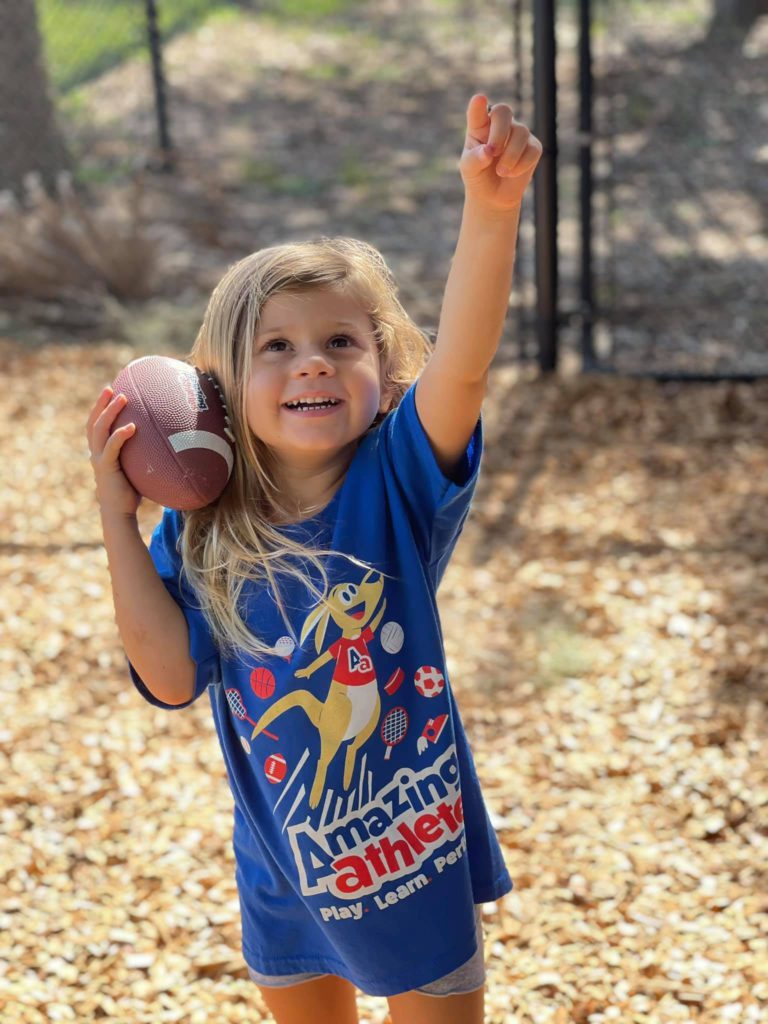
At Amazing Athletes Huron Valley, activities are designed to introduce young children to sports and movement in a way that keeps participation approachable and enjoyable. Rather than making young children feel like they need to compete the focus is on helping them explore different sports and become more comfortable with physical activity.
Children have an opportunity to learn through guided activities while experiencing different sports along the way. For families considering kids’ physical activity programs, that combination can make it easier for children to stay interested while developing coordination, confidence, and social skills.
Conclusion
Structured movement can give children more than a reason to be active for an hour. It can help them practice coordination, learn how to work with others, become comfortable trying new things, and develop a healthier relationship with physical activity.
For parents comparing kids’ physical activity programs, the best choice may not be the one focused most heavily on competition or performance. A program that gives children room to explore, learn at their own pace, and enjoy being active can give them a stronger foundation for the years ahead.