
The Youth Sports Specialization Backlash Is Quietly Changing the ‘Right Age’ to Start
Ask ten parents “what age should kids start sports” and you’ll probably hear ten different answers.
Some believe the earlier children start, the better their chances of succeeding later. Others worry that introducing organized sports too soon could make children lose interest before they even discover what they enjoy. With so many opinions online, it’s easy to feel like there’s a “perfect” age that every family is expected to follow.
The conversation, however, is changing. Instead of asking how early children should specialize in one sport, many parents are asking a more helpful question: What kind of sports experience is right for my child’s stage of development?
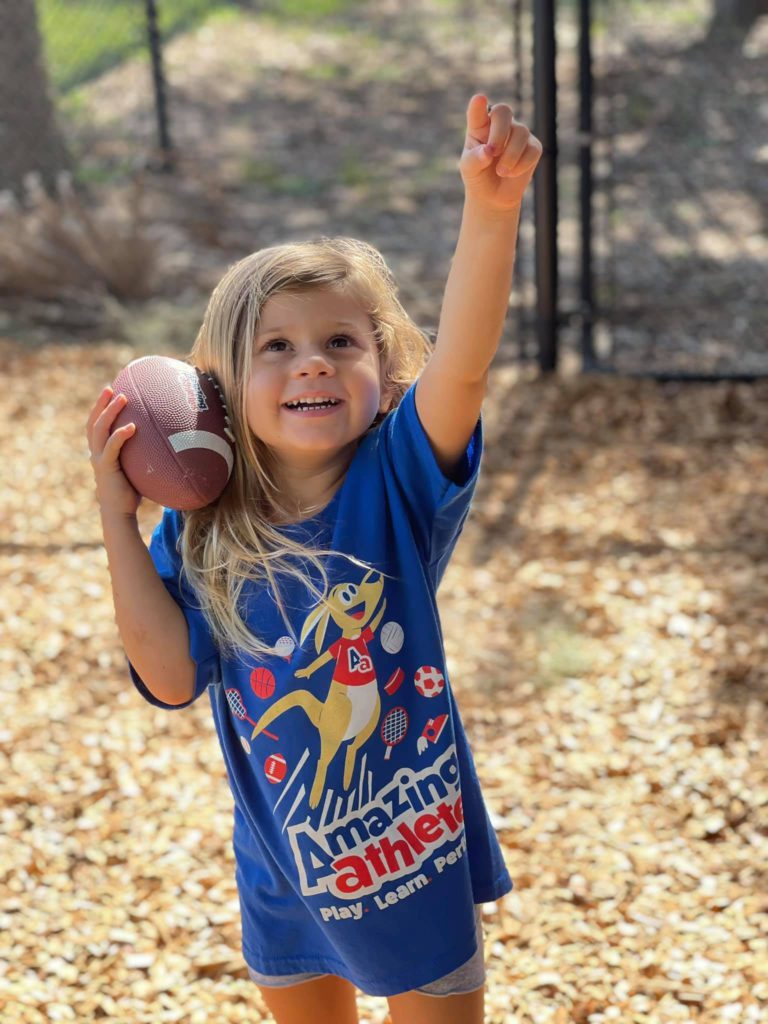
At Amazing Athletes Huron Valley, we meet families who aren’t trying to prepare future professional athletes. They’re looking for a positive first experience that helps their children move confidently, enjoy being active, and discover new interests without feeling pressured to choose one sport too soon.
The Question Isn’t Just About Age Anymore
A few years ago, many parents believed that starting one sport as early as possible would give their child a long-term advantage. Soccer at four, baseball at five, and year-round practices often seemed like the path to success.
Today, many families are taking a different approach.
Parents are beginning to realize that young children don’t need to master one sport before kindergarten. What they need is the opportunity to move in different ways, solve new physical challenges, and enjoy being active without worrying about competition or performance.
That’s why the question “what age should kids start sports” is becoming less about the calendar and more about choosing the right type of program.
Early Childhood Is About Building Movement, Not Specialization
Think about how much children change between the ages of 2½ and 6.
They learn to balance with more control, jump farther, catch larger balls, follow directions, and interact with other children during group activities. These aren’t just sports skills. They’re life skills that help children feel more capable in many different situations.
When children spend these early years exploring different movements instead of focusing on one sport, they build a stronger physical foundation that supports future learning. They also have the freedom to discover what they genuinely enjoy instead of feeling committed to an activity before they’re ready.
Why More Parents Are Choosing Multi-Sport Programs
Imagine two children who are both five years old.
One has spent the last two years playing only one sport because their family believed early specialization was the best way to stay ahead. The other has explored soccer, throwing games, obstacle courses, balance activities, and beginner versions of several sports through a multi-sport program.
Both children have stayed active, but they’ve developed different experiences.
The first child has practiced one set of skills repeatedly. The second has built a broader range of movement skills while discovering which activities feel the most enjoyable. That variety often helps children stay interested because every class offers something new to learn.
For many families searching “what age should kids start sports”, this flexible approach feels like a better fit than asking young children to commit to one activity too early.
Signs Your Child May Be Ready
Every child develops at their own pace, so readiness looks different for every family. Instead of focusing only on age, watch for signs that your child is ready to enjoy a structured activity.
Many children are prepared when they:
- Enjoy running, climbing, and active play.
- Can follow simple directions.
- Show curiosity about games that involve balls or movement.
- Like being around other children.
- Feel excited about trying new activities.
Children don’t need perfect coordination before joining a class. The purpose of early sports is to help them develop those skills in a fun and encouraging environment.
What Should an Early Sports Program Look Like?
The best first sports experiences don’t resemble competitive leagues.
Young children benefit from programs that include a variety of activities, simple instructions, positive encouragement, and plenty of opportunities to move. They should have the freedom to make mistakes, laugh, and improve at their own pace without feeling judged.
At Amazing Athletes Huron Valley, we introduce children to multiple sports through games and movement activities that build confidence while helping them develop coordination, listening skills, teamwork, and physical literacy. Our goal is not to decide what sport a child should play forever. It’s to help them enjoy being active enough to keep exploring.
The Best Time to Start Is When Learning Feels Like Play
If you’re asking “what age should kids start sports”, remember that there isn’t one perfect birthday that determines success.
What matters most is giving children an experience that matches how they learn. During the preschool and early elementary years, children thrive when movement feels exciting, exploration is encouraged, and every small success builds confidence.
The best first sports program doesn’t rush children toward competition. It gives them room to discover what they enjoy, develop important movement skills, and build positive memories around being active. Those early experiences shape how children feel about sports for many years to come.
Frequently Asked Questions
What age should kids start sports?
Most children are ready for movement-based sports programs between ages 2½ and 6, depending on their interest, attention span, and developmental readiness.
Is age 3 too early to start sports?
Not when the program is designed for young children. kids sports classes for preschoolers should focus on movement, exploration, and fun rather than competition or performance.
Should children choose one sport early?
Many families now prefer multi-sport programs because they allow children to develop a wide range of movement skills before specializing in one activity later.
How do I know if my child is ready for sports?
Children who enjoy active play, can follow simple instructions, like being around other children, and are excited to try new activities are often ready for an age-appropriate sports program.
Why are more parents waiting to specialize?
Many parents want children to build confidence, coordination, and physical literacy before committing to one sport. Exploring different activities first allows children to discover what they truly enjoy while developing a stronger foundation for future sports.