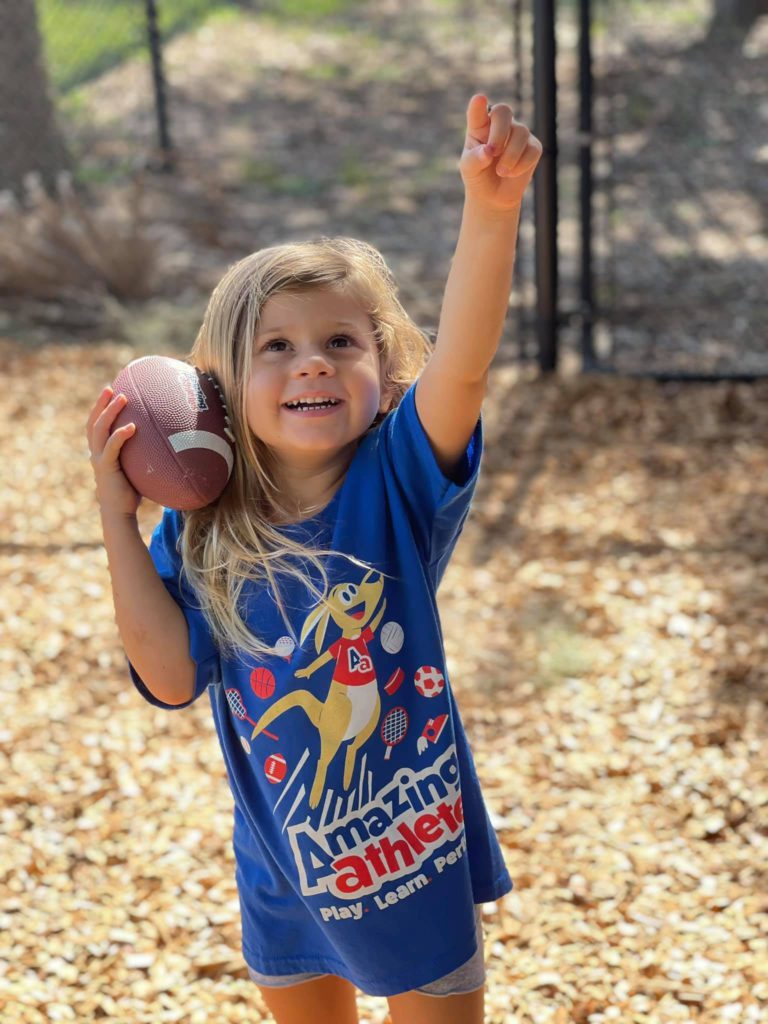

The Difference Between an Activity Kids Beg to Go Back to and One They Tolerate
Ask a parent how their child’s sports class went, and you’ll often hear one of two answers.
“I can’t wait to take them back.”
Or…
“They had fun, but I’m not sure they want to go again.”
The difference usually isn’t the sport itself. It’s an experience.
When parents search fun sports for young children, they’re looking beyond a list of sports. They want an activity their child genuinely enjoys, one that builds confidence instead of feeling like another obligation on the family calendar.
At Amazing Athletes Huron Valley, we’ve learned that children between ages 4 and 6 don’t define “fun” the same way adults do. While parents often focus on learning skills, children remember something much simpler: Was I smiling? Did I get to move? Did I feel successful?
Kids Don’t Think About Sports the Way Adults Do
Adults often judge a sports program by its reputation, coaching style, or future opportunities.
Children think differently.
They ask themselves questions like:
- Did I get to run?
- Did I laugh?
- Did I get to try something new?
- Did someone cheer for me?
- Do I want to come back?
If the answer is yes, they’re already building a positive relationship with physical activity.
That is why understanding “what are fun sports activities for kids” starts with understanding how children experience fun.
Variety Keeps Kids Interested
Young children enjoy discovering new things.
Doing the exact same activity every week can become predictable, especially for children who are naturally curious.
Programs that introduce different movements, games, and sports often hold children’s attention longer because every class offers something new to explore.
One week they may practice kicking.
The next week they might throw, catch, balance, or jump through an obstacle course.
That variety helps children stay engaged while developing many different movement skills.
Kids Love Games More Than Drills
Think about recess.
Children rarely line up because someone asks them to practice one movement over and over.
Instead, they invent games.
Sports programs that use playful challenges, obstacle courses, and creative activities often feel exciting because children are learning without realizing they’re practicing.
Parents searching “what are fun sports activities for kids” are usually hoping to find programs that blend learning with play instead of making sports feel like work.
Encouragement Beats Constant Correction
Every child makes mistakes while learning.
The difference is how adults respond.
Young children become more confident when coaches celebrate effort, encourage participation, and make every child feel included.
When children spend most of class hearing what they did wrong, excitement disappears quickly.
Positive feedback helps children feel safe enough to keep trying.
That confidence often matters far more than perfect technique during the early years.
Why Low-Pressure Sports Keep Kids Coming Back
Children between 4 and 6 are still developing coordination, attention, and social skills.
Programs with too many rules or a heavy focus on competition can feel overwhelming.
Instead, young children thrive in environments where they can:
- Explore
- Make mistakes
- Try again
- Celebrate small successes
- Learn at their own pace
Parents often notice that children are much more excited to attend classes where participation matters more than winning.
Why Multi-Sport Activities Stay Interesting
Many children don’t know which sport they enjoy yet.
A multi-sport approach allows them to experience different activities without asking them to specialize too early.
Instead of repeating one sport every week, children discover:
- Soccer
- Basketball
- Baseball
- Tennis
- Hockey
- Track and field
- Football
- And other movement-based activities
Every new experience keeps children curious while building a wide range of motor skills.
At Amazing Athletes Huron Valley, we’ve found that variety helps many children stay engaged because every class feels like a new adventure instead of the same routine.
Signs Your Child Is Truly Having Fun
Parents sometimes wonder if a class is the right fit.
Children often give simple clues.
They may:
- Ask when the next class is.
- Practice movements at home.
- Talk about their coach or classmates.
- Pretend to play the games they learned.
- Leave class smiling instead of frustrated.
Those behaviors often say more than any progress report.
When children look forward to returning, they’re building healthy habits that can last for years.
The Best Sports Activity Is the One Your Child Wants to Repeat
If you’re asking “what are fun sports activities for kids”, don’t focus only on the name of the sport.
Pay attention to the experience.
The best programs combine movement, variety, encouragement, and age-appropriate challenges that make children feel successful.
When kids have fun, they stay active.
When they stay active, they naturally build confidence, coordination, teamwork, and a lifelong love of movement.
That’s why creating an enjoyable first sports experience matters just as much as teaching the skills themselves.
Frequently Asked Questions
What are fun sports activities for kids ages 4 to 6?
Multi-sport classes, obstacle courses, soccer games, relay races, beginner basketball activities, and movement-based sports programs are popular because they combine play with skill development.
Why do some kids lose interest in sports quickly?
Young children often lose interest when activities become repetitive, overly competitive, or focused on correction instead of encouragement and fun.
How can I tell if my child enjoys a sports class?
Children who enjoy a class often ask to go back, practice skills at home, talk about their experience, and look forward to seeing their coach and classmates again.
Should young children specialize in one sport?
Many families choose multi-sport programs first because they let children explore different activities before committing to one specific sport.
What makes a sports activity fun for kids?
The most enjoyable programs include variety, games, positive encouragement, age-appropriate challenges, and plenty of opportunities to move, explore, and succeed.