
Kids Who Spend Most of Their Time Indoors Often Struggle With Group Activities Later
A lot of parents notice the same thing happening slowly over time. Their child becomes more comfortable staying inside than going out to play. Group activities suddenly feel “too much.” Birthday parties become overwhelming. Team games at school feel stressful instead of exciting.
Some children start avoiding situations that involve other kids altogether.
At first, many parents think their child is simply shy. But in many cases, children who spend most of their time indoors just have fewer chances to practice important social and physical skills naturally.
Kids learn a lot through movement and interaction. Running around with other children, playing games, taking turns, and participating in activities all help build confidence. When those experiences happen less often, some children begin struggling in group settings later.
That is one reason more families are now exploring children’s fitness classes in Hamburg that encourage both physical activity and social participation in a relaxed environment.
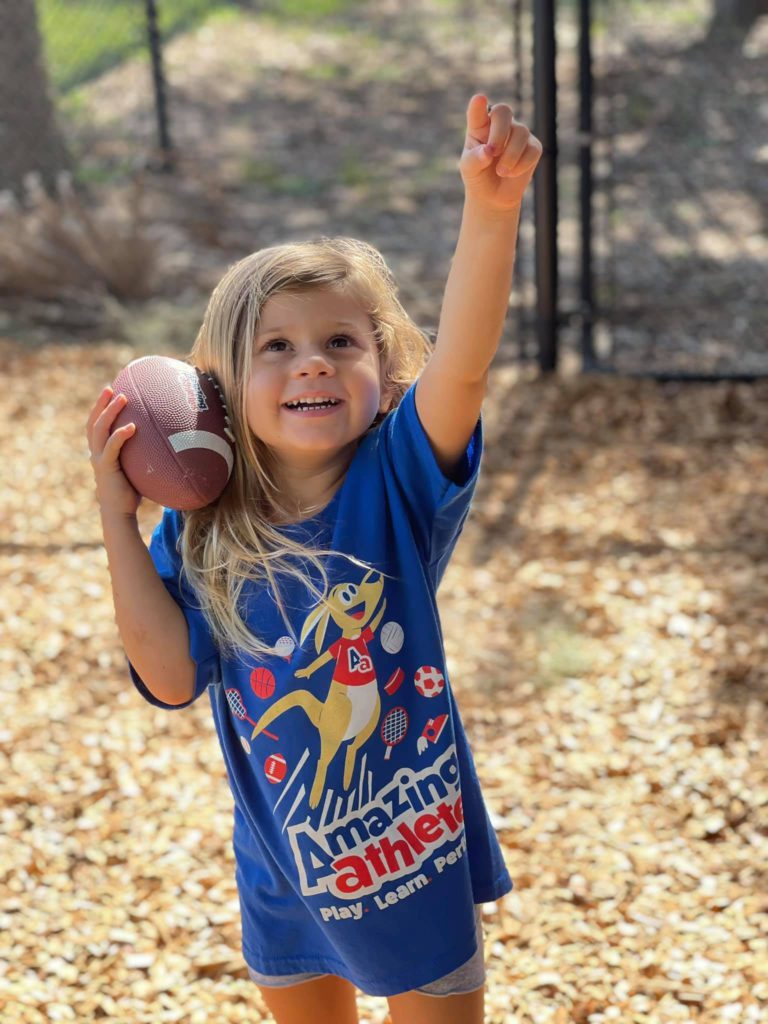
At Amazing Athletes Huron Valley, we often work with children who simply need more opportunities to move, interact, and feel comfortable around others again.
Indoor Lifestyles Are Affecting How Kids Socialize
Children today spend more time indoors than many parents did growing up.
After school, many kids move straight from classrooms to couches, tablets, video games, or television. Even weekends often revolve around indoor entertainment instead of outdoor play.
Over time, this can change how children respond to active group environments.
Simple childhood experiences like-
- playing tag
- joining pickup games
- climbing at playgrounds
- interacting during active play.
- solving problems with other kids.
used to happen naturally almost every day for many children.
Now, some kids spend most of their free time in front of screens instead of around peers. As a result, social confidence does not always develop the same way.
This is why many parents are searching for children’s fitness classes in Hamburg that help kids reconnect with movement and social interaction at the same time.
Some Kids Become Uncomfortable in Busy Group Settings
Parents are often surprised when their child struggles in situations that involve teamwork or group participation.
A child who talks comfortably at home may suddenly become quiet during activities with other kids. Some children hang back instead of joining games. Others become frustrated easily or give up quickly when activities feel unfamiliar.
This usually is not because they are “bad” at socializing.
For many kids, they simply have not had enough regular practice participating in active group environments.
Structured children’s fitness classes in Hamburg can help because they create opportunities for children to interact naturally while staying physically engaged.
Movement often removes some of the pressure children feel during direct social situations. Instead of focusing only on conversation, kids connect while running, balancing, playing games, and working together.
Physical Activity Helps Children Feel More Comfortable Around Others
Confidence and movement are closely connected.
Children who feel physically uncomfortable during activities often avoid participation completely. A child who struggles with coordination or balance may become nervous during group games because they fear embarrassment or failure.
That fear can slowly affect social confidence too.
Programs focused on encouragement instead of competition help children feel safer trying new activities.
At Amazing Athletes Huron Valley, we create activities designed to keep children moving while helping them feel included and supported. Children participate through games and movement-based challenges that focus on effort and participation rather than pressure.
For many families, children’s fitness classes in Hamburg become an important step toward helping children feel more comfortable participating with peers.
Too Much Screen Time Changes Daily Habits
Many children now spend several hours each day using screens outside of school.
While technology is part of modern life, excessive indoor screen time can slowly replace activities that help children build confidence naturally.
Parents may notice children becoming-
- less active
- less social
- more hesitant during group situations.
- uncomfortable trying new activities.
- easily overwhelmed in busy settings.
Screens entertain children, but they do not fully replace real-world experiences with movement and interaction.
This is one reason many parents look for children’s fitness classes in Hamburg that encourage healthier balance and active routines.
Kids Build Social Skills Through Active Play
Children often develop social confidence through shared experiences instead of formal lessons.
Activities that involve movement naturally teach kids how to-
- cooperate
- communicate
- wait their turn
- handle challenges
- participate as part of a group
These skills become stronger with practice.
The more children experience positive group environments, the more comfortable they usually become around others. Supportive movement programs help create those experiences without making children feel pressured.
Not Every Child Thrives in Competitive Sports
Some children enjoy competitive leagues right away. Others feel intimidated by loud environments, strict rules, or pressure to perform.
That does not mean they dislike activity altogether.
Many children simply respond better to programs that focus on participation, movement, and confidence-building first.
At Amazing Athletes Huron Valley, we understand that children develop at different speeds. Our goal is to help kids enjoy being active while feeling comfortable participating with others.
That is why many parents choose children’s fitness classes in Hamburg that emphasize encouragement and skill-building over competition.
Small Changes Can Make a Big Difference
Children do not need nonstop sports schedules to build confidence.
Sometimes, simply adding regular movement and group participation into the week can help children-
- feel more outgoing
- become more active
- gain confidence
- improve communication
- enjoy social activities more comfortably.
Positive experiences matter.
When children begin associating activity with fun instead of stress, they often become more willing to participate in other group situations too.
Final Thoughts
Children who spend most of their time indoors are not automatically antisocial or shy. However, limited movement and reduced interaction with peers can make group activities feel more difficult over time.
Kids build confidence by participating, moving, and interacting regularly with others in supportive environments.
At Amazing Athletes Huron Valley, our children’s fitness classes in Hamburg help children stay active while building confidence, coordination, and comfort in group settings through positive movement-based activities designed specifically for young kids.