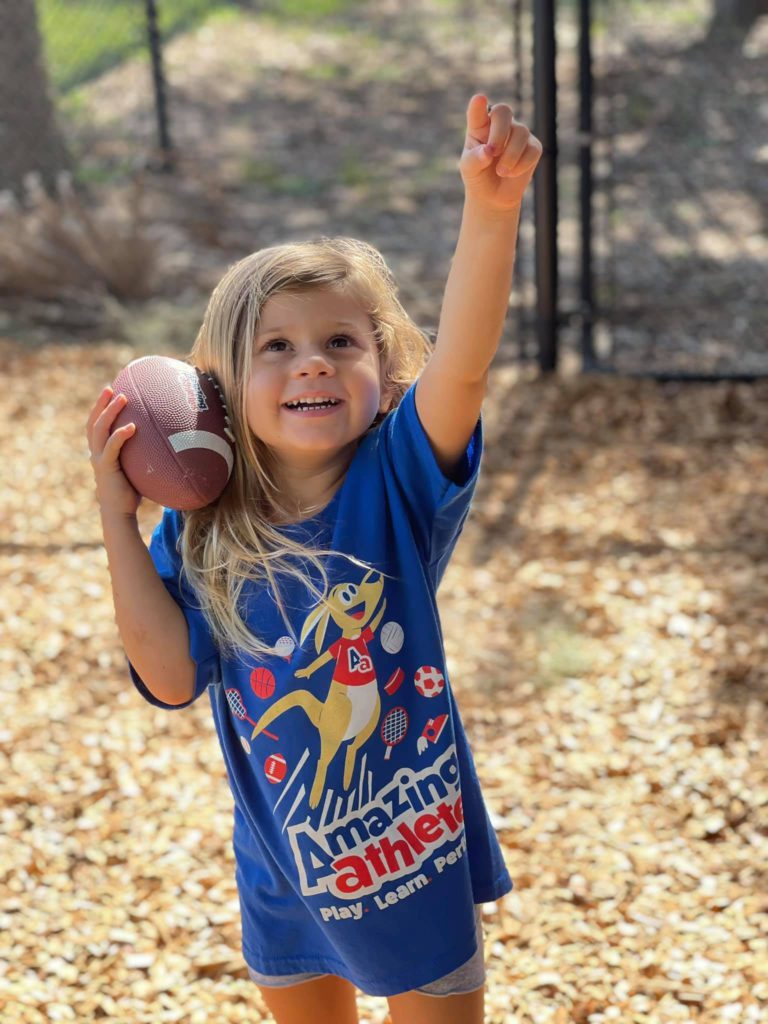

“Green Time vs Screen Time”: Pediatricians Keep Saying It, Nobody Says What It Means
Parents hear the phrase “green time instead of screen time” more often than ever.
Pediatricians, teachers, and child development experts encourage families to spend more time outside because regular outdoor play supports healthy physical and emotional development. But many parents are left wondering what that advice actually looks like on an ordinary Tuesday afternoon.
If you’ve searched what are the best outdoor activities for toddlers, you’re probably looking for ideas that go beyond simply sitting at the park. You want activities your child will enjoy while building confidence, coordination, and healthy movement habits.
At Amazing Athletes of Huron Valley, we believe outdoor play is one of the first places children learn to move with confidence. Long before kids join organized sports, they develop balance, coordination, and curiosity by exploring the world around them.
What Does “Green Time” Really Mean?
Green time doesn’t mean every family needs to spend hours hiking through a forest.
It simply means giving children regular opportunities to play and move outdoors.
For toddlers, that could be:
- Walking through a neighborhood park.
- Exploring a nature trail.
- Running across an open field.
- Playing in the backyard.
- Looking for bugs, birds, or flowers.
The goal isn’t perfect planning.
It’s creating opportunities for movement away from screens and indoor distractions.
Why Outdoor Play Matters During the Toddler Years
Toddlers learn by moving.
Every step, jump, climb, and throw helps them understand how their bodies work.
Outdoor environments naturally encourage children to:
- Run longer distances.
- Practice balance.
- Climb safely.
- Explore different textures.
- Build confidence through independent movement.
These experiences also strengthen the motor skills children later use during sports and active play.
What Are the Best Outdoor Activities for Toddlers?
Parents don’t need expensive equipment or complicated plans.
Many of the best activities are simple.
Nature Walks with a Purpose
Instead of simply walking, ask your toddler to find:
- Three yellow flowers
- A smooth rock
- A bird
- A butterfly
- A big tree
Turning a walk into a game keeps children engaged while encouraging observation and movement.
Playground Adventures
Playgrounds naturally develop climbing, balancing, crawling, swinging, and coordination.
Rather than rushing from one slide to another, encourage your child to explore different pieces of equipment at their own pace.
Ball Play
Rolling, kicking, throwing, and catching soft balls help toddlers develop coordination while keeping them active.
Simple games often become some of the most enjoyable outdoor experiences.
Backyard Obstacle Courses
Use everyday items to create safe challenges.
Children can:
- Step over pool noodles.
- Walk around cones.
- Crawl under a blanket.
- Jump between chalk circles.
Obstacle courses encourage problem-solving while making movement exciting.
Water Play
Warm-weather activities like pouring water, carrying buckets, or running through sprinklers combine sensory exploration with active movement.
Nature Treasure Hunts
Collect leaves, pinecones, sticks, or colorful flowers during a walk.
Children enjoy searching for objects while practicing observation skills and spending more time outdoors.
When parents ask “what are the best outdoor activities for toddlers”, the answer is often the simplest one: activities that encourage movement, curiosity, and exploration.
Outdoor Play Doesn’t Need to Be Perfect
Many parents feel pressure to create exciting outdoor adventures every weekend.
The truth is much simpler.
Fifteen or twenty minutes outside after dinner can provide meaningful opportunities for movement.
Children don’t remember elaborate plans.
They remember having the freedom to run, climb, explore, and discover something new.
Small outdoor moments, repeated often, usually matter more than occasional big outings.
How Outdoor Play Builds Skills for the Future
Outdoor activities do much more than help toddlers burn energy.
They help children develop:
- Balance
- Coordination
- Body awareness
- Confidence
- Problem-solving skills
- Curiosity
- Independence
These same abilities become valuable when children later join sports programs, playground games, or active group activities.
At Amazing Athletes of Huron Valley, we see outdoor play as an important first step in helping children develop a lifelong love of movement. Nature gives toddlers room to explore, while structured movement programs later help them build on those same skills.
Green Time Isn’t About Replacing Every Screen
Parents don’t need to eliminate screens completely.
Instead, think about creating a healthier balance.
Every walk, playground visit, backyard game, or outdoor adventure gives toddlers another opportunity to move, explore, and learn through experience.
If you’re asking “what are the best outdoor activities for toddlers”, don’t worry about finding the perfect activity.
The best outdoor experience is simply the one that gets your child moving, discovering, and enjoying time outside.
Frequently Asked Questions
What are the best outdoor activities for toddlers?
Nature walks, playground visits, ball games, obstacle courses, scavenger hunts, water play, and backyard exploration are all excellent ways to keep toddlers active outdoors.
Why is green time important for toddlers?
Outdoor play encourages movement, curiosity, motor skill development, confidence, and exploration while giving children a healthy break from screens.
How much outdoor time do toddlers need?
Even short periods of outdoor play each day can support healthy development. Consistent opportunities to move outside are often more valuable than occasional long outings.
Do outdoor activities help prepare children for sports?
Yes. Outdoor play helps toddlers develop balance, coordination, running, jumping, and body awareness, creating a strong foundation for future sports and physical activities.
Can simple outdoor games be as beneficial as organized activities?
Absolutely. Many everyday outdoor games encourage the same movement skills young children use later in structured sports while allowing them to explore and play at their own pace.