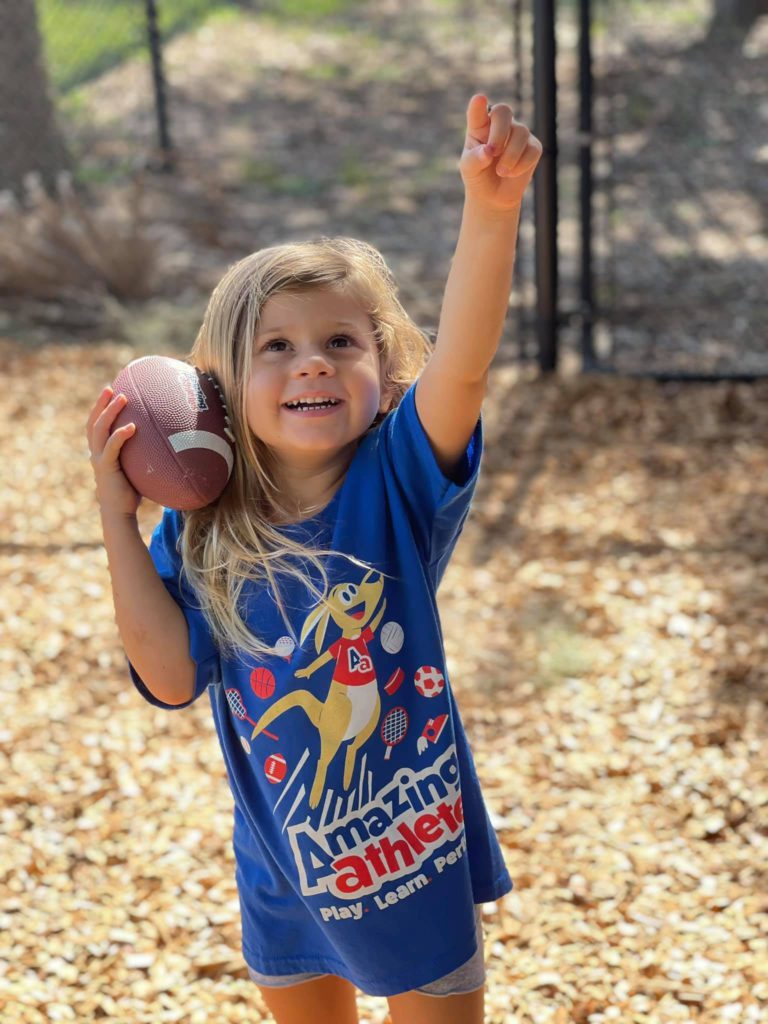

Some Kids Aren’t “Unathletic”: They’ve Just Never Been Taught Basic Movement Skills
Many parents worry when their child struggles during sports or physical activities. Maybe they avoid running games at recess, have trouble catching a ball, or seem less confident than other kids during team activities.
It is easy to assume a child is simply “not athletic.”
But that is not true.
In many cases, children are not lacking athletic ability. They have just never had the chance to properly develop basic movement skills. Skills like balancing, jumping, throwing, skipping, and coordination do not always come naturally. Like reading or math, movement skills need practice, repetition, and guidance.
That is why more families are paying attention to youth athletic development earlier than ever before.
At Amazing Athletes Huron Valley, we work with children at different ages and skill levels, and one thing becomes clear very quickly: confidence in sports usually starts with confidence in movement.
Basic Movement Skills Matter More Than Parents Realize
Before children can succeed in sports, they need a strong physical foundation.
Many activities adults take for granted are actually learned skills, including-
- changing direction quickly
- balancing on one foot
- throwing with control
- jumping safely
- reacting to movement
- coordinating both sides of the body.
Children who struggle with these basics may begin avoiding sports entirely. Some become frustrated when games feel difficult, while others compare themselves to more experienced kids and lose confidence early.
This is where structured youth athletic development programs can make a major difference.
Instead of focusing only on competition, these programs help children build the movement skills needed for long-term success and confidence.
Kids Today Move Less Than Previous Generations
Children today spend less time in active outdoor play than previous generations did.
Many families notice that kids now spend more time-
- indoors
- on screens
- sitting during school
- using tablets or gaming devices.
- participating in passive entertainment.
As a result, some children miss out on natural movement experiences that once helped develop coordination and body awareness.
Years ago, kids built these skills through constant outdoor activity. Running around neighborhoods, climbing, biking, and free play helped strengthen coordination without parents even realizing it.
Today, many children need more intentional opportunities for movement.
That growing concern is one reason youth athletic development programs have become increasingly popular with parents looking for healthy, active routines.
Confidence and Coordination Are Closely Connected
Children who feel awkward during physical activity start believing they are “bad at sports.”
Over time, this mindset can affect-
- confidence
- participation
- willingness to try new activities.
- social interaction
- physical activity habits
But confidence usually improves when children start experiencing small successes.
Learning how to throw correctly, balance better, or move more comfortably during games can completely change how a child feels about sports and group activities.
Quality youth athletic development programs focus on building these small wins step by step. Children are encouraged to improve at their own pace instead of feeling pressured to compete immediately.
That positive environment helps kids stay engaged longer.
Early Sports Experiences Can Shape a Child’s Attitude Toward Activity
Children remember how activities make them feel.
If a child constantly feels embarrassed, left behind, or confused during sports, they may stop wanting to participate altogether. On the other hand, supportive experiences can help children develop healthy attitudes toward movement and exercise.
At Amazing Athletes Huron Valley, we focus on introducing sports in ways that feel encouraging and approachable. Children are exposed to different activities while continuing to strengthen balance, coordination, agility, and body control.
This type of youth athletic development helps children build comfort with movement before sports become highly competitive.
That foundation matters more than winning games at a young age.
Athletic Development Is About More Than Sports
Many parents hear the word “athletic” and immediately think about competitive leagues or elite athletes.
But movement skills affect everyday life too.
Children with stronger coordination and body awareness feel more comfortable-
- participating in school activities.
- joining playground games.
- interacting with peers.
- trying new physical challenges.
Physical confidence can also influence emotional confidence.
When children feel capable during activities, they are more willing to participate socially and explore new experiences.
That is why many parents now view youth athletic development as an important part of overall childhood growth rather than simply sports training.
Not Every Child Learns Movement Skills the Same Way
Some children naturally pick up physical skills quickly. Others need more repetition and encouragement.
That does not make one child more athletic than another.
Children develop at different speeds, especially during the early years. A supportive environment can help slower learners build confidence without feeling discouraged.
Programs that focus only on competition overlook this. Kids who need extra guidance may become frustrated or lose interest before they have time to improve.
Structured youth athletic development programs help children practice skills in ways that feel achievable and fun instead of stressful.
Parents Are Starting Earlier Than Before
Many families no longer wait until elementary school sports to introduce structured movement activities.
Parents are recognizing that early exposure to movement helps children-
- stay active
- build coordination
- gain confidence
- develop social skills
- create healthy habits
Starting early also gives children time to explore different activities before feeling pressure to specialize in one sport.
This is one reason multi-sport programs continue to grow in popularity among parents looking for balanced youth athletic development opportunities.
Final Thoughts
Some children are not avoiding sports because they lack ability. They may simply need more support learning the movement skills that other kids have already practiced.
Confidence in physical activity is built over time through encouragement, repetition, and positive experiences.
At Amazing Athletes Huron Valley, our approach to youth athletic development helps children strengthen important movement skills while staying active in a fun and supportive environment. By focusing on coordination, confidence, and participation first, we help children build foundations that can support them both on and off the field.