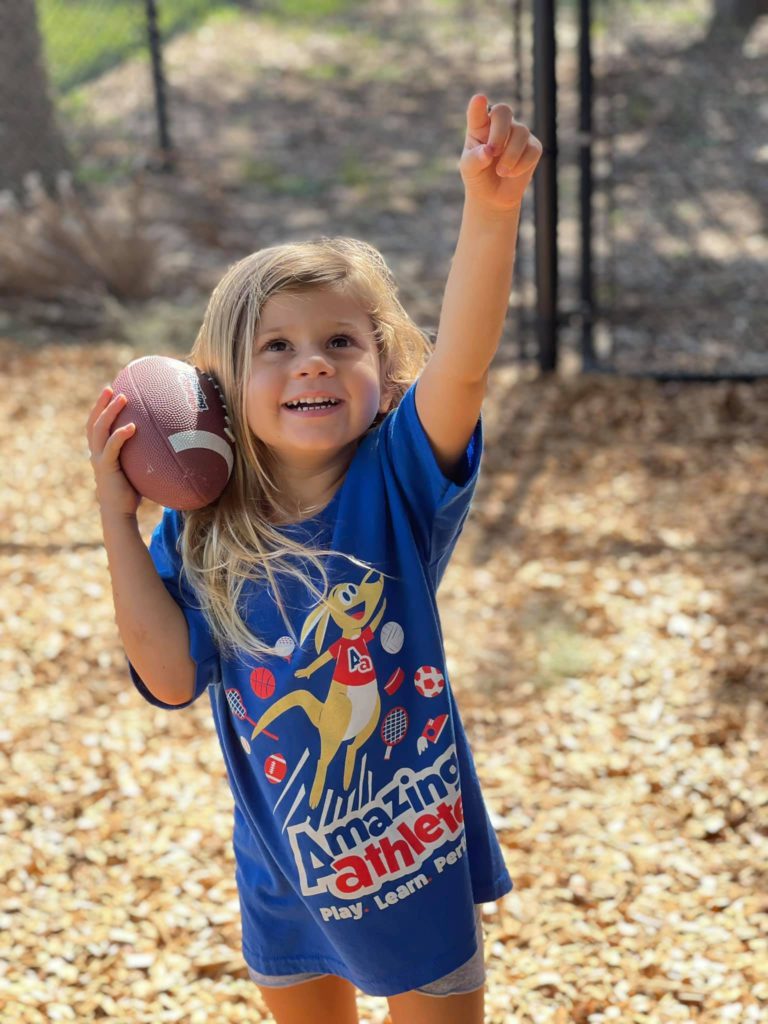
How to Encourage Preschoolers to Be More Active and Spend Less Time on Screens
A tablet can keep a preschooler busy while dinner cooks. A favorite cartoon might buy a parent ten quiet minutes after a long day. Fair enough. The trouble starts when asking for a screen becomes the default response to every quiet moment, and outdoor play or movement gets pushed aside.
Young children need room to move. They learn what their bodies can do by kicking a ball too hard, wobbling along a line, jumping off a low step, then trying again. These small moments matter, especially before kindergarten. Finding enjoyable physical activities for preschoolers can help parents make active play a regular part of the day.
For families in Ann Arbor, Milford, Highland, White Lake, Commerce Township, and Brighton, getting children moving doesn’t have to mean signing up for several weekly classes. Start at home. A few changes to the daily routine can make active play easier to fit in, even on busy weekdays.
Why Do Preschoolers Need More Active Play?
Preschoolers learn through movement. A child chasing a ball is practicing more than kicking. The game also calls for watching where the ball goes, adjusting body position, and deciding what to do next. Add another child to the game, and taking turns becomes part of the lesson.
Regular active play gives children opportunities to practice:
- Gross motor skills: Running, jumping, hopping, and climbing use the larger muscles of the body.
- Balance and coordination: Walking along a line or catching a soft ball calls for control and timing.
- Social skills: Group games give children chances to wait, share equipment, and listen to instructions.
- Confidence: Trying a new movement and getting a little better can make the next attempt less intimidating.
There’s no need to turn every afternoon into a sports session. Sometimes children want to chase bubbles in the backyard. Other days, a ball and a patch of open floor are enough.
How Much Screen Time Is Appropriate for Preschoolers?
The American Academy of Pediatrics recommends limiting screen use to one hour a day of high-quality programming for children ages 2 to 5, with adult involvement when possible. Content matters, but so does what screen time replaces.
An educational show can have a place in a family’s routine. Video calls with grandparents can be lovely, too. The bigger concern is when a child regularly skips active play, conversation, or sleep because a device is always available.
Look at what happens during an ordinary day. Does the television stay on even when nobody is watching? Does a child ask for a phone as soon as a meal ends? Is switching off a video followed by a long argument?
Try the 15-Minute Movement Swap
You don’t need a detailed activity plan to replace a little screen time. Pick something your child already enjoys, set aside 15 minutes, and see how it goes.
| Instead of… | Try this |
| Watching videos after breakfast | Put on a favorite song and have a dance break. |
| Reaching for a tablet while waiting | Play follow the leader or move like different animals. |
| Watching television after preschool | Build a simple obstacle course with cushions and floor markers. |
| Asking for a phone during errands | Play a guessing game with animal movements or sounds. |
| Sitting indoors all afternoon | Take a short walk and look for birds, leaves, or unusual shapes. |
These physical activities for preschoolers don’t require special equipment or a big time commitment. Fifteen minutes is a starting point, though. Children still need chances to move at different points throughout the day.
Make Movement Part of the Daily Routine
The easiest activities are often the ones that don’t require much planning. Try adding movement to parts of the day that already happen.
Turn everyday tasks into games
Ask your child to march to the front door, hop across the living room, or walk on tiptoe to the bathroom. It might make getting dressed take an extra minute. That’s fine. The point is to make movement enjoyable, not to race through a checklist.
Set up a small play area
Keep a few soft balls, beanbags, blocks, and other age-appropriate toys in one easy-to-reach spot. There’s no need to fill an entire room with equipment. A little open floor space will do.
Change a few toys now and then. A ball that sat untouched last week might become interesting again after a short break.
Let your child pick
Offer two choices: a dance break or a ball game, for example. Children may be more willing to join in when the activity feels like their idea. If neither option appeals, try again later rather than turning play into an argument.
Get outside when you can
A trip to the playground, a backyard game, or a walk around the neighborhood gives children room to move freely. Rainy weather doesn’t have to end the fun. Animal walks, balloon games, and indoor obstacle courses work well on days spent inside.
Families looking for organized activities can visit the local Amazing Athletes Huron Valley camps and classes page to check the current program options.
Which Movement Games Work Well for Preschoolers?
Some children want to chase a ball from the moment they wake up. Others would rather dance, pretend to be animals, or explore every corner of the playground. Offer a mix and pay attention to what holds your child’s interest.
Here are a few games to try at home or in a nearby park-
- Animal walks: Crawl like a bear, hop like a frog, or waddle like a penguin.
- Color hunts: Name a color and ask your child to find something nearby that matches.
- Balloon volleyball: Tap a balloon gently to keep it off the floor. Use plenty of open space and supervise young children around balloons.
- Target practice: Roll a soft ball toward a box or kick it between two markers.
- Freeze dance: Dance while music plays, then stop when the music pauses.
These physical activities for preschoolers work best when the rules are easy to understand. Keep the focus on joining in, not getting every movement right. If your child loses interest after two minutes, switch games. No big deal.
What If Your Preschooler Refuses to Turn Off a Screen?
A child absorbed in a video may not welcome an abrupt stop. That can be frustrating, especially when dinner needs making or the family has somewhere to be. A predictable routine can help.
Give a warning before screen time ends. Something as simple as, “Five more minutes, then we’re going outside,” lets a child know what’s coming. A timer can help, too.
Once the screen is off, offer a clear next activity. Don’t leave a child wondering what to do instead. Put a ball near the door, suggest a dance break, or ask which game to play first.
Keep the rules consistent from one day to the next. There may still be protests, particularly at first. Stay calm and follow through. Starting with one screen-free period each day is often easier than changing every household rule at once.
When Can a Structured Sports Program Help?
Playing at home gives children plenty of useful practice. A structured class adds another experience: following a coach’s instructions, trying different sports, and playing alongside other children.
At Amazing Athletes Huron Valley, young children can explore sports in a noncompetitive setting that emphasizes movement and learning. Parents can also visit the Huron Valley summer camp page to review available camp information.
The right program should suit a child’s age and interests. Some children jump straight into group games. Others need time to watch before joining. Both responses are normal, and a first class can help parents see how a child feels about the experience.
Visit the Amazing Athletes Huron Valley to explore local programs and enrollment options.
Conclusion
Less screen time doesn’t have to mean a packed calendar or constant reminders to get moving. Start with one change, such as a short dance break after breakfast or a walk before dinner. Keep a few simple games ready for the moments when a tablet usually comes out.
The best physical activities for preschoolers are the ones children enjoy enough to try again. Some days, that might mean a sports class. Other days, it might be ten minutes of chasing a ball in the backyard. Both can be part of a more active routine.