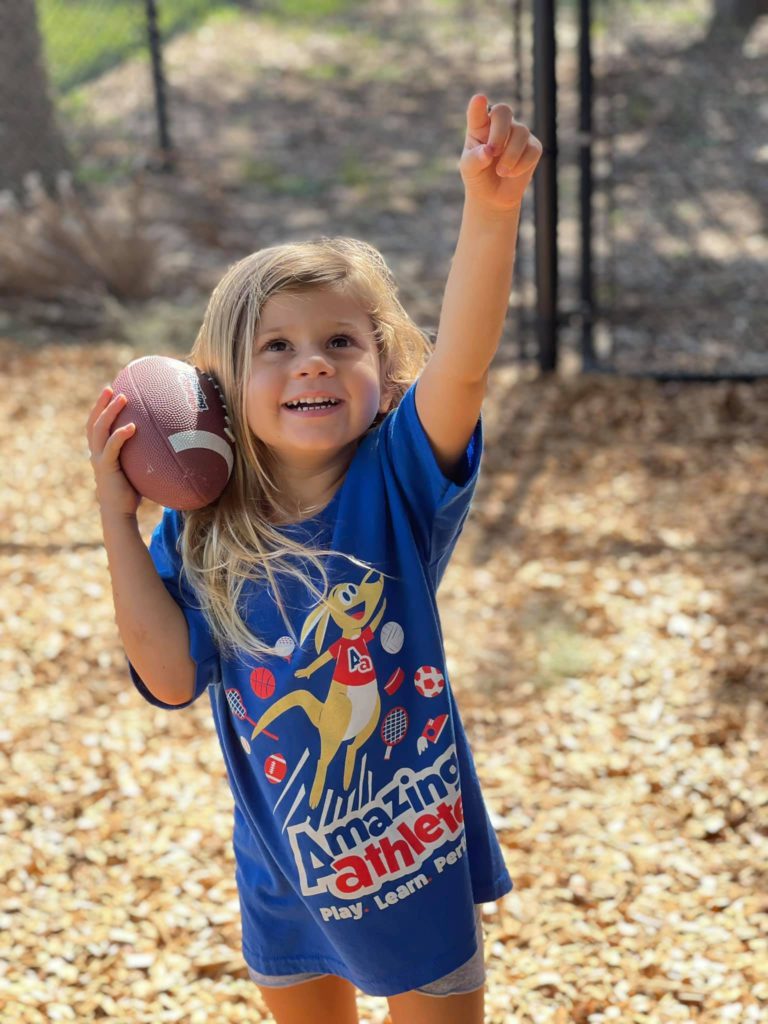
What Should Families Consider When Choosing Children’s Fitness Classes in Dexter?
Finding an activity for your child sounds easy. Then you start looking.
One class focuses on soccer. Another has open play. A third mixes sports, games, and fitness. At that point, the question isn’t really about finding something to do. It’s about finding something your child will enjoy and actually benefit from.
When searching for children’s fitness classes in Dexter, don’t stop at the location or class name. Take a closer look at how the sessions work, who they’re designed for, and what your child will be doing each week.
For younger children, that last part matters a lot. They need chances to move, try things, make mistakes, and try again without feeling like they’re already behind.
Start With What Your Child Needs Right Now
A class that works well for one child may not work for another. A preschooler who is still getting comfortable in group activities has different needs from an elementary-age child who already plays organized sports.
Think about where your child is right now.
- Are they new to structured activities?
- Do they enjoy trying new things, or do they need a little time to warm up?
- Can they follow short instructions and stay engaged for a full session?
Age matters, too. Younger children usually need activities that match their attention span, and physical abilities. If a class feels too difficult, they may lose interest quickly. If it’s too easy, they may get bored.
The right fit should feel manageable, but still give them something new to work toward.
Look at What Happens During the Class
The word “fitness” can mean almost anything when it comes to children’s programs. So, rather than relying on the label, find out what actually happens during a session.
A good class might include:
- Warm-ups and movement activities
- Stretching and flexibility work
- Basic sports skills
- Balance and movement challenges
- Group games
- Repetition that helps children practice new skills
- Simple lessons about healthy habits
The details matter. Children learn differently when they’re moving instead of sitting and listening for long stretches. A session can feel like play while still having a clear purpose behind it.
Ask Whether There Is a Progression
Here’s a useful question to ask before signing up: what happens after the first few classes?
Some programs offer a different game every week, while others follow a curriculum where skills are introduced, practiced, and gradually developed. For younger children, that second approach can make a big difference.
We follow a structured curriculum that introduces children to sports while working through developmental milestones. The activities are planned around movement and skill development rather than simply filling the class with games.
That means children get repetition, but they’re not doing the exact same thing every week. They can become familiar with a movement and then take on a slightly different challenge.
For a young child, that kind of steady progression can make learning feel much less frustrating.
Consider Variety Without the Pressure to Specialize
Some kids have a favorite sport before they’re even old enough to play on a team. Others have no idea what they like yet. That’s perfectly normal.
For families comparing children’s fitness classes in Dexter, a multi-sport program can be a practical way to let children explore different activities before choosing one sport to focus on.
We introduce children ages 2½ to 6 to the fundamentals of 10 sports, including soccer, basketball, baseball, tennis, football, hockey, lacrosse, golf, volleyball, and track and field. The classes are taught in a non-competitive setting.
The point isn’t to turn a preschooler into an expert in 10 sports. It’s giving them the chance to discover what they enjoy while practicing movement skills that can be useful across different activities.
That combination of variety and structure is worth looking for.
Pay Attention to the Coaching Approach
A child’s experience often comes down to the instructor. If something feels difficult, does the coach help the child try again, or does the child feel like they got it wrong?
Parents should look for instructors who explain skills clearly, keep children involved, and give beginners time to settle in. That’s especially helpful for younger children who may be unsure during their first few sessions.
A non-competitive setting can take some pressure off, too. Children can focus on learning the movement instead of worrying about being the fastest, or best in the group.
Our curriculum combines age-appropriate instruction with positive movement experiences, helping children learn sports fundamentals while working through key motor-development milestones.
Check Whether Fitness Is Connected to Learning
Physical activity can be a good starting point for other lessons, too.
Children can learn simple ideas about how their bodies move, what different muscles do, and why healthy food matters. They don’t need a lecture. A short explanation during an activity can be enough to make the connection.
We include lessons about muscle groups and nutrition alongside sports and motor-skill development. The curriculum also works on six key motor skills: balancing, running, jumping, throwing, catching, and kicking.
That’s a useful distinction for parents. The child isn’t just moving for the sake of moving. They’re learning while they’re active.
Make Sure the Format Works for Your Family
A great class still has to fit into real family life. Schedules get busy. Kids get tired. Weeknight plans don’t always go according to plan.
Before enrolling, ask a few practical questions.
Questions to Ask Before Choosing a Class
- Is the program right for my child’s age?
- Does my child need previous sports experience?
- How long is each session?
- Is there a planned curriculum?
- Will my child get to try different sports?
- How are beginners supported?
- Is the class focused on competition or learning?
- Is the class size suitable for young children?
- Does the schedule fit our week?
- Can my child try the program before making a longer commitment?
These questions can tell you a lot. They also help you compare programs based on what your child will actually experience, rather than choosing one simply because it’s close to home.
Think About What Your Child Can Take Away
When evaluating children’s fitness classes in Dexter, think past the first class.
What might your child be able to do after several months? Maybe they’ll be more comfortable following movement instructions. Maybe they’ll have learned how to throw or catch. Maybe they’ll have found a sport they didn’t expect to enjoy.
Those small changes matter.
At Amazing Athletes Huron Valley, we believe children’s fitness should connect movement with purposeful learning. Our approach brings multiple sports, structured activities and age-appropriate instruction together so children can build skills while exploring what they enjoy.
The goal isn’t to rush them toward a particular sport. It’s to give them a good place to start.
Choose a Program That Leaves Room for Discovery
Children don’t all develop at the same speed, and they won’t all enjoy the same activities. A good fitness class gives them enough structure to learn while leaving room to explore.
Families considering children’s fitness classes in Dexter can look at the curriculum, coaching approach, variety, age range, and how children are expected to progress.
A multi-sport program gives children the chance to try different activities before specializing. At Amazing Athletes Huron Valley, our goal is to keep that experience structured and enjoyable, with sports exploration, fitness, motor development, and learning built into the program.
Conclusion
Choosing a fitness class means finding a place where your child feels comfortable enough to participate and curious enough to keep trying. Look at the age range, class structure, coaching style, and what children actually learn during each session.
It also helps to think beyond the first few weeks. A useful program should give children room to practice, make mistakes, discover activities they enjoy, and gradually take on new challenges. For parents, that’s often more valuable than choosing the class with the longest list of activities.
The right fit should leave your child looking forward to the next class. That’s a pretty good sign.