
What Makes Physical Education More Meaningful for Students at Private Schools?
Walk into a gym class in your free time and you’ll see it: some kids sprinting straight for the ball, while others standing near the door, not sure they want in yet. That gap is exactly why PE deserves more thought than it usually gets, especially at private schools, where parents expect every hour of the day to actually mean something.
A private school PE program built with intention does more than burn off energy before lunch. It teaches kids things that stick, coordination, confidence, the willingness to try something they’re not good at. That’s a tall order for forty minutes twice a week, but the right program makes it possible.
Why Just Running Around Isn’t Enough
Private schools tend to have more freedom to shape their own approach. Parents pay for that freedom, and they expect it to show up everywhere, not just in the classroom.
A private school PE program that takes this seriously looks less like recess and more like a lesson. Kids aren’t just playing dodgeball, they’re figuring out how to pass to a teammate they barely know, or how to lose a game without getting upset. That’s not accidental; it’s designed.
Every kid develops on their own timeline. One child cannonballs into a new sport without a second thought. Another needs three weeks just to feel okay standing near the group. A program that makes room for both isn’t being soft, it’s being smart.
Movement Teaches More Than Movement
There’s real research behind this, not just an assumption: physical activity builds balance and coordination, but it also sharpens focus and self-control. A kid learning to dribble a basketball is also learning to concentrate under pressure.
Inside a strong private school PE program, kids practice listening for instructions, waiting their turn, working alongside someone they didn’t choose. None of that looks like “learning” from the outside.
Something interesting tends to happen after a kid learns a new skill on the field. They get a little braver in the classroom too. Maybe they raise their hand more. Maybe they try the harder math problem instead of skipping it. Small wins have a way of following kids indoors.
One Sport Isn’t Enough for a Seven-Year-Old
Most young kids couldn’t tell you whether they’d love tennis or hate it, because nobody’s ever handed them a racket. Stick to soccer year after year and that question never gets answered.
A private school PE program worth its name rotates through different sports across the year, throwing one month, balance drills the next, maybe golf or track later on. Each sport challenges children in different ways, both physically and mentally.
And there’s a quieter benefit here: nobody has to be great at any one sport right away, because next month brings something new. That takes a lot of pressure off a bad week at kickball.
Confidence Needs Room to Fail First
A kid who is afraid of making mistakes will often stop trying. The same can be true for adults, too.
The better private school PE program cares less about who scored and more about who showed up and gave it a try. A shy kid finally joining the relay race matters more than the fastest lap time. Coaches who recognize that effort and say so are the ones kids remember years later.
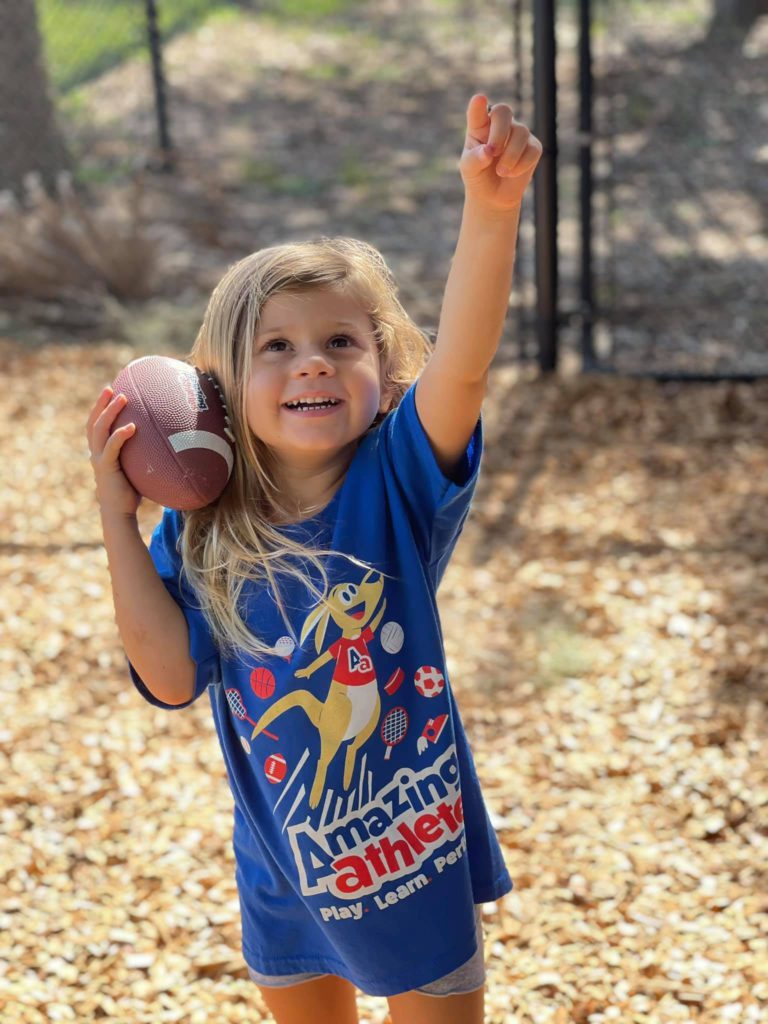
At Amazing Athletes Huron Valley, we’ve watched this play out over and over: take the pressure off, and kids start showing up differently.
What a School Should Actually Check Before Signing On
Not every outside program fits smoothly into a school’s rhythm. Before committing, it’s worth asking a few questions.
- Does the instruction actually match the age group, or is it a one-size-fits-all template?
- Do the lesson plans have real goals behind them?
- Is the equipment safe, and does the schedule actually work without eating into other classes?
- And do the instructors understand that a six-year-old and a ten-year-old are not the same kid?
Get those right, and teachers get their planning time back instead of rushing to cover gym duty.
The Lessons That Never Make It Onto a Report Card
Every jump, every group game, every kid waiting their turn quietly teaches something a math worksheet can’t.
A good private school PE program builds coordination, sure, but it also has kids practicing patience, respecting a teammate who dropped the ball, and getting back up after a rough game. None of that shows up on a transcript. Ask any teacher, though, and they’ll tell you it matters just as much as anything that does.
The early elementary years are when many of these habits start to form. Habits learned at seven can often stay with children as they grow older.
Why Parents Actually Notice
Parents aren’t easily impressed by a syllabus. But when their kid comes home talking about a new sport they tried, or a friend they made during a relay, that lands differently.
A meaningful private school PE program gives parents something real to point to, my child is more confident than they were back in September. That beats a participation trophy every time.
At Amazing Athletes Huron Valley, our whole approach circles back to that one idea: structured enough to actually teach something, loose enough that kids keep wanting to come back.
Conclusion
A private school PE program that’s doing its job right isn’t just a break between breaks and lunch. It’s often where a kid first figures out they’re capable of more than they assumed.
Build it around encouragement instead of scoreboards, and every kid gets the room to move at their own pace. Schools that treat PE like it matters tend to find out it does, well past the walls of the gym.